Coffee travels more than the majority of people do. It begins as a glossy red cherry on a bush that likes high slopes and slim air, then obtains pulped, fermented, washed, dried, crushed, shipped, roasted, packaged, and lastly dropped on your front door. Somewhere between miles of dust tracks and your mailbox, a handful of small choices identify whether your morning mug tastes like dark delicious chocolate and peach, or like cardboard left in a sunbeam.
I have actually worked both sides of the supply chain, cupping coffees on origin trips and taking care of last‑mile logistics for a roaster that tried to deliver beans fresher than a comic's evaluated an open mic. The love of coffee commonly obtains reduced to latte art and mason containers, but the smartest taste moves take place in spreadsheets, cold storage areas, and delivery vans. If you've ever before wondered exactly how Coffee Beans Delivery works, why subscriptions can taste better than store bags, or how to Get Coffee Beans Delivered without getting saddled with stagnant beans and tricks, draw a chair and a cup. This is the backstage tour.
The ranch component you can taste
Coffee is a farming item with all the state of mind swings that indicates. Elevation presses the plant to establish sugars more slowly, which commonly means denser beans and more layered tastes. Ranges matter too: Bourbon often tends towards sweet taste, SL28 can beam citrus like a lighthouse, and Catuaí is a dedicated group pleaser. Handling includes another layer. Washed coffees review tidy and high‑toned. Naturals bring fruit and funk. Honey process sits in between.
None of this guarantees an excellent mug. Pickers require to harvest at peak ripeness, normally within a limited home window. Gelatinating and fermentation needs to be regulated, not hurried, which calls for tanks, water, focus, and time. Drying beds ought to be raised, very finely spread, and transformed frequently, particularly in moist zones where a sudden rain can spoil a week of work. Numerous ranches make use of moisture meters to pull coffee when it strikes concerning 10 to 12 percent dampness, a number that correlates with security in storage.
Why should an individual who desires Gourmet Coffee Beans Delivery treatment? Since one of the most trustworthy shipment services do not hide the upstream information. They tell you the variety, altitude, and process. They state who expanded it, and in some cases just how much they paid. Openness isn't a moral bonus offer, it's a proxy for quality assurance. Accuracy at beginning has a tendency to take a trip well.
Green coffee's silent marathon
After drying out, coffee is crushed to remove parchment and sorted to eliminate defects. Merchants bag green beans in jute lined with GrainPro or Ecotact plastic linings. Those liners protect from moisture swings throughout transport, which is a large bargain. Eco-friendly coffee is like a kitchen active ingredient with a long yet finite life. Kept trendy and dry, it can hold its character for 6 to one year, occasionally longer for higher‑density lots. https://anotepad.com/notes/3da9r4c2 As well cozy or also humid, and it goes flat or picks up off notes.
Shipping routes issue. A whole lot steps by container ship, occasionally rotting at ports or cooking on decks. I've cupped the distinction in between a great deal that took two months en route and a sibling lot that took five. The much shorter journey kept its jasmine and lime passion; the longer one slid toward paper and peanut. Some importers now push for faster routes, shielded containers, and temperature level loggers. If your favored roaster releases arrival dates for brand-new crop coffees, that's not marketing fluff. It's a clue that they watch quality earlier than most.
Roasting, where timing turns the switch
Roasting is when the green things changes right into the aromas a lot of us recognize. This is additionally where shipment routines begin to dictate selections. Lighter roasts preserve acidity and origin character, but they're a touch much more volatile in the very first couple of days after roast. Darker roasts squash origin subtlety and increase body, and they de‑gas quicker. A roaster that ships nationwide needs to select whether to roast light and depend on clients to wait 2 or three days, or roast somewhat deeper to make the coffee preference "all set" upon arrival.
When I handled an once a week roast routine, we solved this in 2 methods. Initially, we lined up roast days to delivering cutoffs. If bundles left on Tuesday and Thursday, we roasted Monday and Wednesday. Second, we profiled espresso blends a notch darker to reduce the wonderful spot home window, while keeping single beginnings lighter for folks that delight in the wayward floral stuff. It wasn't ideological background, it was physics, postage, and client satisfaction.

Watch for posted roast days. Finest Coffee Beans Delivered services print the roast day in ordinary sight. "Finest by" days are for crackers. You intend to make most coffees beginning 2 to 7 days after roast for filter, possibly 7 to fourteen for espresso, and end up the bag in a couple of weeks. Decaf acts like the practical buddy who turns up very early and leaves in a timely manner. It typically peaks faster and fades much faster, so tighter shipment cycles help.
Packaging: tiny selections with huge taste consequences
A bag is more than a bag. The material sets oxygen transmission prices. Valve placement manages off‑gassing. Resealable seals can be actual or ornamental, and some makers still deal with a pinhole as a "valve." Better bags use multilayer films with true one‑way shutoffs and a smooth zipper. The goal is straightforward: let carbon dioxide out, keep oxygen and moisture out, and make resealing easy.
Most delivery‑focused roasters nitrogen flush their bags. This displaces oxygen at packaging, reducing staling. It functions. I as soon as did a triangle test on the very same coffee, half flushed, fifty percent not, after 4 weeks. The flushed bag tasted like dark delicious chocolate and hazelnut. The unflushed variation leaned flat, like it had been politely drained pipes. If a roaster buys nitrogen flushing, they usually state so.
The various other product packaging inquiry is section size. Twelve ounces is a North American requirement; 250 grams is common elsewhere. Some services now provide 100‑gram trial dimensions or 5‑pound bulk. Smaller bags allow you taste seasonal releases without dedicating, but you pay even more per ounce. Mass is affordable if you consume a whole lot and store it well. That storage part issues, which brings us to a household habit that rescues taste more than any smart mill app ever before could.
Storing beans in the house without turning them right into garden compost perfume
Coffee hates warmth, light, oxygen, and moisture, in that order. An amazing cabinet beats a bright counter whenever. Fridges freezer are controversial in coffee online forums, but used appropriate they work beautifully.
Here's a short, sensible checklist for home storage space that has really endured my kitchen area and a dozen client kitchens:
- Keep beans in their initial bag if it reseals well. If not, move them to an impermeable container with a one‑way valve. Split bulk purchases into smaller, airtight containers. Only open what you'll utilize in a week. Freezing is fine. Portion into single‑brew or few‑brew packages, push out extra air, and freeze. Brew straight from adhered lower condensation. Avoid the fridge. It's humid inside and full of smells. Coffee is a sponge. Label with roast day and the date you opened up the bag. Old open bags quietly drain your finest brews.
That last factor about labeling might appear picky. It isn't. Old open beans make individuals condemn their grinder, their water, or the placement of the worlds. Occasionally it's just a worn out bag.
The shipment knot: speed, cost, and consistency
Getting coffee to your door needs three schedules to line up: roast days, carrier pickups, and your house's drinking pace. The easier the plan, the much better your mugs. Roasters that do high‑quality Coffee Beans Delivery work backward from provider cutoffs, go for same‑day or next‑day send off after toasting, and prevent weekend purgatory in storage facilities when feasible. That's why you'll typically see orders roast Monday and ship Tuesday. If a bag beings in a hot vehicle all weekend, subtlety takes a vacation.
Ground delivery normally runs two to five days in the same country, in some cases longer if you live off the primary arteries. Top priority or share diminishes that to one to 3 days, but the expense can measure up to a 2nd bag. Excellent solutions eat some of that expense for subscribers and bundle orders smartly to stay clear of partial shipments.
This is where registrations beam. When you Get Coffee Beans Delivered on a set tempo, the roaster can prepare roast volumes, work out far better carrier rates, and tie your delivery to a fresh set. That security typically gives you fresher beans at a reduced internet expense. If a roaster offers delivery windows to your region, choose the one that lands beans two to 4 days after roast for filter, or a little bit later if you are an espresso maximalist.
Subscriptions: benefit with personality
There are 2 broad versions. The first is roaster‑specific: you subscribe directly to a roaster's schedule. The 2nd is a multi‑roaster industry that curates and ships on your behalf. Each has strengths.
Direct roaster subscriptions maintain your flavor account regular, convenient if you enjoy a home blend or a roaster's roasting style. You likewise get the earliest access to restricted whole lots. The downside is a narrower array if you such as to roam.
Marketplace services expand the area. They rotate roasters and beginnings, typically with strong curation and matching tests that really matter if they are honest regarding roast degree and handling. Shipping can be streamlined, which maintains expenses down. The disadvantage is one more layer between you and the roaster. If you want details concerning farmer settlements or roast accounts, it's much easier to obtain direct explanations from the source.
Smart registrations let you tune grind size, batch size, and regularity. The setting individuals neglect: pause and avoid. Life takes place. An excellent user interface allows you evade a distribution when you are traveling, double up when pals go to, or alter a beginning design without having to email support.
As for the buzzwords: Gourmet Coffee Beans Delivery should mean more than shiny packaging. Try to find proof in the cup and in the information. Roast date is non‑negotiable. Beginning information must be specific, not "Latin America." Flavor notes need to be probable, not "unicorn tears." Real tasting notes sound like food, not perfume counters.
Matching roast to brew equipment and tap water
Most distribution solutions request your mixture approach. That's not idle inquisitiveness. Drip devices like a medium work and gain from coffees with an equilibrium of sweetness and acidity. Pour‑overs, specifically with conelike filters, multiply clearness and match lighter roasts. Espresso is its own high‑pressure circus, happiest with blends designed to behave under nine bars.
Water matters greater than most individuals confess. Tough water with high bicarbonates will flatten level of acidity and emphasize bitterness. Soft water can make coffee taste thin. If your faucet water is really hard, you may choose a little much more established roasts because they hold their structure. You can additionally utilize mineral packets or a straightforward charcoal filter, but that's an additional short article. The point here is that your registration's tasting notes assume practical water. If your mugs constantly taste plain or sour about the notes, the offender may be the tap.
Seasonality: why your fave is on vacation
Coffee isn't gathered almost everywhere at the very same time. Central America harvests about November to March. East Africa runs December to April. Brazil picks May to September. Indonesia stretches across months. That suggests a roaster's calendar naturally revolves. If your beloved Ethiopian floral bomb runs out in late summertime, it's not a conspiracy theory. The fresh crop home window is shutting, and the roaster is rotating to brand-new arrivals.
The best Coffee Beans Delivered intends lean right into this rhythm. They do not attempt to require a single taste all year. Instead, they build family members of blends that adjust as components transform. Single‑origin offerings highlight seasonal spikes, after that bow out gracefully. If a roaster clings to the precise very same single origin year‑round, a couple of things is occurring: they bought an enormous whole lot and are extending it, or you're growing older green. Neither is inherently wicked, however quality tends to beat nostalgia in the cup.
Decaf is entitled to far better than a shrug
Decaf has boosted significantly. Swiss Water and sugarcane EA refines maintain even more of the beginning character undamaged than older solvent techniques. The trade‑off is price and preparation. Decaf great deals typically rest longer before roasting due to the fact that need is spiky, which can dull their side. The repair is little, frequent roasts and quick delivery. If you drink decaf daily, an once a week shipment of smaller bags defeats a month-to-month megabag.
A fast decaf tip from too many late‑night espresso examinations: grind a hair finer than you would certainly for the caffeinated version and do not hesitate to push temperature up a level or two. Several decafs are a little much less soluble and appreciate the encouragement.
How shipment actually takes place, min by minute
Let me unspool a regular week when we ran a local Coffee Beans Delivery program that hit 3 states within 2 days.
Monday, 6 a.m., environment-friendly coffee staging. We pulled the week's projection, added a ten percent barrier for last‑minute orders, and examined wetness go to the eco-friendly. Older whole lots obtained priority for blends where we can hide their age without injuring flavor.
Monday, 9 a.m., roasters fired. First sets were espresso blends. They relaxed quicker and got loaded by noontime. Solitary origins ran late morning into early afternoon once the drum was called. We cupped at 2 p.m., shed tongues, changed by a few seconds and a couple of levels, and locked profiles for the week.
Monday, 3 p.m., packaging. Nitrogen flushing, shutoff checks, tags. The line always slowed when somebody tried to review sampling notes. "Redcurrant or cranberry" is a question that can sink a ship.
Tuesday, 8 a.m., choice and pack. Registration boxes initially, because the courses were dealt with. Then individual orders. We grouped shipments by zone to pick the best providers. Urban addresses opted for the provider whose drivers recognized the home intercom dance. Rural chose the one that actually discovered region road 6B.
Tuesday, 4 p.m., pick-up. Whatever baked Monday left Tuesday. Express orders baked Wednesday and left Thursday, touchdown Friday. We avoided shipping Friday unless it was local carrier or needed cold pack for a summertime warmth wave.
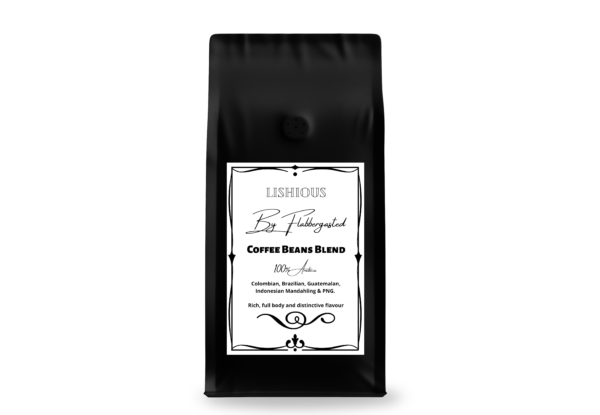
This cadence allowed most customers make their first cup in between day 3 and day seven. Problems went down when we held the line. When we slipped, individuals noticed. Coffee maintains receipts.
Common challenges and how to evade them
Three issues surface over and over. First, stale beans dressed up as a deal. A deep discount on a coffee without any roast day is hardly ever kind to your palate. Second, shipping warmth. Summer season trucks are stoves. If your coffee arrives warm to the touch, fracture the bag and let it relax over night in a trendy place. The cup will liven up. Third, work mismatch. Pre‑ground orders are hassle-free, but they secure you right into one grind that will not suit every brew method. If you have to go pre‑ground, stay with one method and tell the roaster specifically which machine you use.
There's additionally the enigma of the bag that tastes perfect one week and off the next. Commonly this is a water or grinder drift problem. Burrs put on, alignment drifts, and water adjustments when towns change sources seasonally. If your Coffee Beans Delivery corresponds however your mugs wobble, check with bottled water for a couple of days and tidy your mill. A $10 brush can beat a $300 accessory.
Sustainability, past the buzzwords
Coffee's footprint isn't tiny. It goes across oceans and adventures vans. But there are much better and worse methods to relocate. Some roasters purchase LCA‑informed product packaging, opting for recyclable or compostable films that in fact work. Others utilize returnable tins for regional shipments. Logistics groups can combine courses, shrink idle times, and choose carriers with cleaner fleets.
At beginning, sustainability is more than rain forest photos. It's paying farmers enough to prune, replant, and pay pickers on time. It's supporting mills that deal with wastewater so a river downstream does not run brownish after harvest. If a shipment solution talks about sustainability without pointing out farmgate rate or handling water, request for details. The best solutions specify numbers and concrete practices, not adjectives.
When to spend lavishly and when to save
Auction great deals and limited releases are enjoyable, yet they can be unpredictable. If you desire a sure bet for daily drinking, stick with a roaster's seasonal blends. They are engineered for equilibrium and dependability. Conserve the single‑origin fireworks for weekend breaks or a little add‑on bag. If you do springtime for a costly micro‑lot, strategy your brew timetable. Brew little doses, adjust grind meticulously, and shield the bag from oxygen like it's your sourdough starter. High‑end coffee can taste transcendent, yet it can likewise sulk if you hurry it.
Bulk acquires make sense if your family drinks more than a bag a week. Split and freeze, then turn. For periodic drinkers, a fifty percent bag choice keeps waste down and taste up. The math normally prefers subscriptions: shipping spread over several deliveries feels like much less and actually makes it possible for the roaster to roast closer to demand.
What "gourmet" should suggest in practice
Gourmet Coffee Beans Delivery should not be code for "fancy rate and heavy copywriting." It needs to imply an end‑to‑end chain of protection that safeguards taste. That appears like proven sourcing, cautious delivery of eco-friendly, a willful roast schedule, nitrogen‑flushed packaging, truthful roast dates, and a shipment plan tuned to your postal code. It also resembles solution that addresses concerns about degassing, work setting, and brew water without sending you to a chatbot maze.
Flavor evidence defeats brand proof. If the cup makes you lean in and take a 2nd sip prior to it cools, the system worked. If it tastes like it failed to remember to awaken, log the information, modify what you regulate, and ask your roaster for help. The most effective ones have cupped via every mistake you are about to make and can conserve you 3 bags of experimentation with one email.
An easy path to much better deliveries
If you want to relocate from arbitrary bags to reputable pleasure, below's a portable roadmap that has actually benefited dozens of consumers I've suggested:
- Pick one roaster or industry with clear roast dates and beginning info. Start with a tool roast profile that matches your brew gear, after that branch out. Set a shipment frequency that completes each bag in 10 to 20 days. Adjust shipment timing to land beans 2 to 4 days after roast for filter, a week for espresso. Revisit water and grinder once, not weekly. Then leave them alone.
Follow that for a month. Your mornings will stop feeling like experiments and start feeling like a ritual with a high success rate.
The quiet luxury of an excellent routine
Fresh coffee appearing when you require it is less regarding pampering and even more concerning getting rid of friction from a tiny day-to-day joy. When a package thumps on the veranda and the label reviews roasted 2 days back, I know the next week is going to go smoothly. The pot will murmur, the grinder will certainly purr, and the cooking area will smell like someone recognizes what they are doing. That sensation is why Coffee Beans Delivery has matured from a trick to a criterion. It attaches the careful deal with a hill thousands of miles away to your favored mug with less concessions in between.
Get Coffee Beans Delivered from a solution that values the chain from farm to front door, and the cup will tell you that regard in the language of peach, cacao, and a finish that hangs around just long enough to make you look forward to tomorrow.